16 Jul 2026
‘Ghost plates’ operation captures range of criminality
Targeted and intelligence-led approach to tackling offenders.
A West Yorkshire Police operation to clampdown on ‘ghost’, cloned and untraceable numberplates has revealed a range of criminality which these plates are often used to conceal.
The operation funded by the Department for Transport (DfT) and overseen by the National Roads Policing Coordination Centre (NRPCC), is part of activity undertaken by a number of police forces to understand and evidence the scale of the problem of unidentifiable drivers and riders as well as testing technology which can help to uncover them.
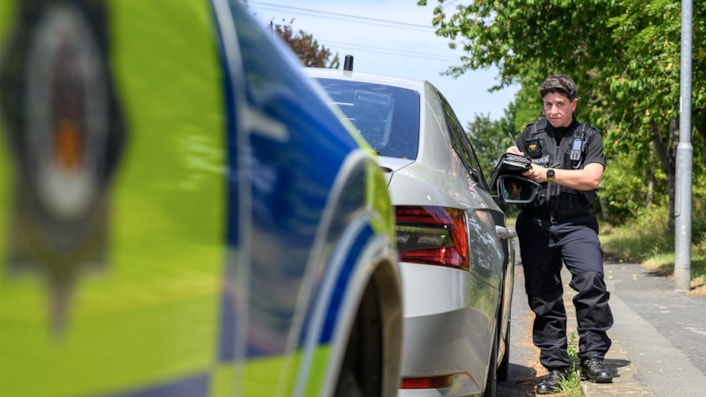
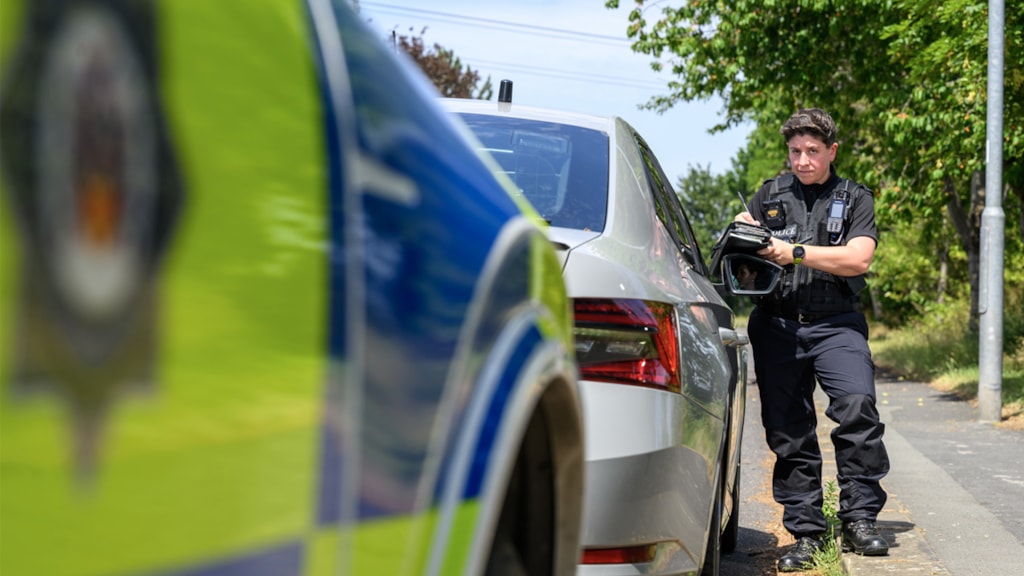
West Yorkshire Police undertook a targeted operation which saw intelligence-led ‘hot lists’ developed in order to inform proactive stops and checks by roads policing officers.
During the week-long intensification period, 183 vehicles were stopped and arrests made for offences including dangerous driving, theft, and breach of bail.
14 vehicles were seized for disqualified driving, no insurance, or because the driver had no driving licence, with six cloned vehicles also seized. Cloning involves criminals copying another vehicle's registration plates, often choosing plates from a vehicle that looks like theirs, so that they can evade penalties for offences like speeding or congestion charges. It can also be used to conceal the identity of a stolen vehicle.
The national operation seeks to understand the scale of the problem with ghost, unidentifiable and cloned plates that can effectively hide a vehicle or driver from detection.
Ghost number plates, also known as stealth plates, are illegally altered vehicle registration plates designed to evade Automatic Number Plate Recognition (ANPR) and speed cameras. They typically use special reflective coatings, transparent films, or altered materials that can make the registration unreadable under infrared light but thanks to new technology there is no hiding.
During the West Yorkshire Police operation, the team also uncovered a number of offences when making vehicle stops. These included:
- 46 Traffic Offence Reports for seatbelt offences
- 10 drivers using mobile phones
- 5 vehicles with MOT offences
- 10 speeding offences

Chief Inspector James Farrar is Head of West Yorkshire Police’s roads policing unit. He said:
“We know that the majority of motorists using our roads are law abiding but proactive operations like this one, enable us to focus directly on those causing harm and compromising the safety of other road users.
“There are a number of issues which can make a numberplate non compliant. For many of the motorists we engaged with, there was a lack of awareness around the legal requirements for character spacing and the materials used, but for those deliberately trying to evade detection, we uncovered a range of criminality from disqualified drivers to stolen vehicles.
“Policing the road network also provides valuable opportunities to safeguard, educate and engage with our communities. Through intelligence-led vehicle stops we were able to safeguard victims of domestic abuse and other violence against women and girls offences and provide education and engagement to young and vulnerable drivers.
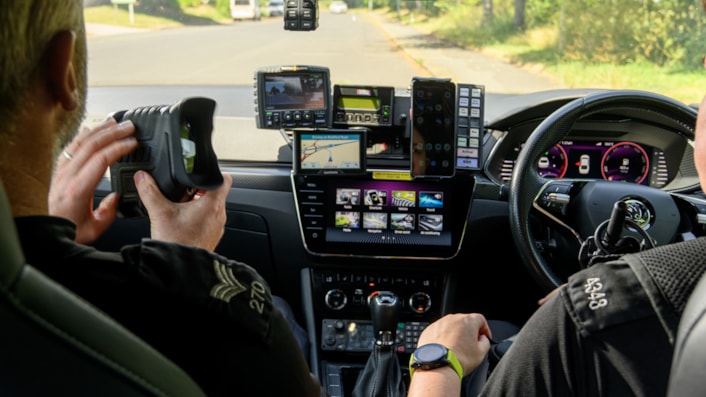
“We were also able to test out technology which supports policing in identifying non-compliant numberplates and develop our evidence base of the scale of offending in our force area. We’ve removed offenders from our roads and communities while testing and building our capabilities to ensure no criminal goes undetected.”
Commander Kyle Gordon is the National Coordinator for Roads Policing. He said:
“Through the National Roads Policing Coordination Centre, our mission is to tackle the biggest threats to road safety, enhancing and developing the police response to criminality both on and off the roads.
“Our national ‘ghost plates’ operation brings together expertise and best practice from policing in our approach to ghost, cloned and unidentifiable numberplates, enabling testing of new technology, tactics and intelligence development.
“The team at West Yorkshire Police have shown how effective a targeted and intelligence-led approach can be in tackling offenders as well as educating and supporting drivers in ensuring their numberplates are compliant. The team’s work is a valuable contribution which supports us in building the national picture of the problem but, more importantly, how best we can tackle it.”
Contact information
Communications office
By phone: 0800 538 5058
By email: press.office@npcc.police.uk