22 Sep 2026
Parents have a vital role in keeping young drivers safe as new analysis reveals scale of harm
More than 23,000 people have been killed or seriously injured in crashes involving young drivers in the last five years.
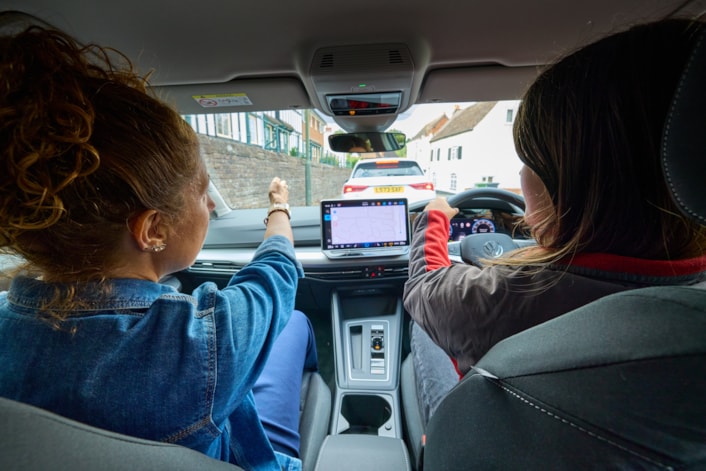
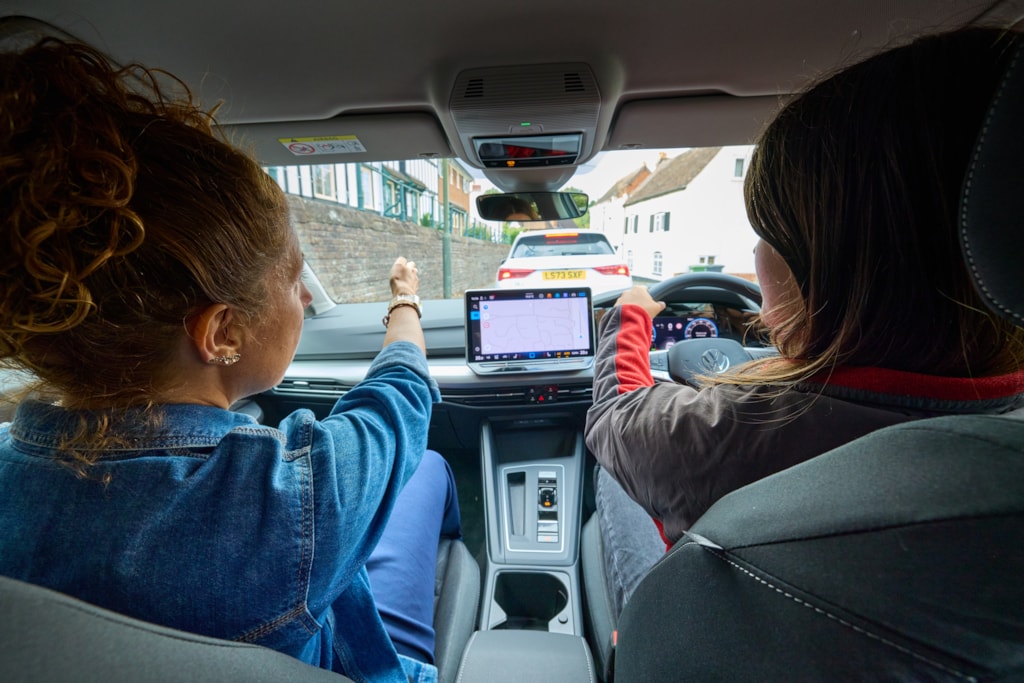
Parents of young drivers are being encouraged to stay involved in their children’s driving while they are learning and in the months after they pass their test - with experts saying their support can play a vital role in keeping them safe.
The call comes as new analysis reveals more than 23,000 people have been killed or seriously injured in crashes involving a young car driver aged 17-24 in Great Britain in the last five years.
Department for Transport road casualty data from 2021 to 2025 shows that around 7,500 were young drivers themselves and over 4,000 were passengers in cars driven by young drivers.
More than 11,600 - around half of all those killed or seriously injured - were other road users, including occupants of other vehicles and pedestrians.
Almost a third of young drivers involved in collisions resulting in death or serious injury were involved in single-vehicle crashes, compared with 23% of car drivers overall.
Two-thirds of the young car drivers involved in KSI collisions were male.
The analysis forms part of the Operation Spotlight on Young Drivers, a three-week national initiative led by the National Police Chiefs’ Council (NPCC), working with the National Fire Chiefs' Council, Protect Young Drivers and road safety data specialists Agilysis.
Running from 14 September to 4 October, the operation will bring together police activity, education and public engagement to tackle young driver risk and help reduce deaths and serious injuries.
The focus coincides with young people returning to school, college, university and work following the summer, while evenings begin to draw in and driving conditions start to change.
The analysis identified clear patterns in the most serious young driver collisions, with weekends, evenings and night-time driving presenting particular risks.
Saturday recorded the highest average number of young drivers involved in collisions resulting in death or serious injury.
Twice as many young drivers were involved in fatal collisions on rural roads as on urban roads, while young people living in rural areas were involved in collisions at twice the rate per head of population - 87 per 100,000 compared with 43 per 100,000 for their urban counterparts.
Chief Superintendent Marc Clothier is Deputy National Coordinator in the National Roads Policing Coordination Centre. He said:
“Young drivers are disproportionately represented in serious and fatal collisions, despite driving substantially fewer miles than the average driver. Operation Spotlight brings together policing and our partners across the road safety sector to focus on education, support for parents and to encourage young people to behave responsibly behind the wheel – with the collective ambition for a future where these collisions become a rarity.
“All too often policing interacts with young people through enforcement or in the very worst case scenarios through collision investigation, but prevention is always our priority and that is why initiatives like Op Spotlight are so important. Inexperience and the inability to assess risk are two of the most impactful factors in young driver safety on the roads and every decision taken when driving a vehicle has an impact so this is where parents and peers can be influential.
“Collectively we can support young people to use vehicles and the roads safely, maintaining their independence, helping them to develop their skills and ultimately reducing the risk of harm.”
Tanya Fosdick, Chief Operating Officer of road safety consultancy, Agilysis, undertook the analysis of the most recent young driver collision data. She said:
"Evidence shows parents can have an important influence before, during, and after their child learns to drive, helping young people recognise and manage risk and build experience more safely.
By undertaking in-depth analysis, we can identify when, where, and in what circumstances young people are at risk on the roads, providing parents and road safety professionals with insights so that data-led actions can be delivered.
“Sadly, we still have too many collisions involving young drivers; this gives us a rich dataset (collected by the police) of information where we can clearly see the circumstances where inexperience and behaviour have led to tragedy. It means that the information shared with parents and young people is grounded in the reality of when things previously went wrong."
Dr Elizabeth Box, a leading transport researcher and behavioural scientist with expertise in young driver safety, has spent many years researching the factors that influence young driver behaviour and risk. She recently helped develop new evidence-based resources for parents with IAM RoadSmart. She said:
“Passing the driving test is an important milestone, but it isn’t the point at which learning ends. The first months of independent driving are a particularly important period, as young drivers are still developing the experience and judgement that help them recognise and manage risk.
“Parents and guardians can play an important role during this transition by helping young drivers manage their exposure to risk while that experience develops. In many countries, graduated driver licensing systems take a staged approach to driving independently, limiting exposure to higher-risk situations such as driving late at night or carrying young passengers while novice drivers gain experience.
“While we don’t currently have this kind of system in Great Britain, families can adopt some of the same principles themselves, agreeing rules about when young people drive and how many passengers they carry, and gradually increasing independence as their experience develops.“The key message for parents is that their influence doesn’t end when the L-plates come off. Keeping conversations about driving going and staying positively involved can help young people navigate those early months of independent driving more safely.”
What parents can do
Parents can continue to support young drivers before, during and after they pass their test by:
- Helping them build experience gradually – including driving at night, on rural roads and in different weather conditions.
- Agreeing sensible boundaries - around passengers and late-night driving, particularly while experience is still developing.
- Give them a way out – make clear they can always call home for a lift if they feel unsafe or uncomfortable with someone’s driving.
- Help them speak up as a passenger – encourage young people to think in advance about what they might say if a friend’s driving frightens them. Even “I feel sick – can you pull over?” can offer a less confrontational way to get out of the car.
- Create a parent lift network – team up with other parents to share lifts for nights out and social events. A simple WhatsApp group can make it easier to coordinate lifts, so young people know there’s always a safe way home and don’t feel they have to drive or accept a lift when they’re uncomfortable.
- Considering safety when choosing a first car – where possible, look at a vehicle’s safety performance and features as well as its cost.
- Use a parent-young driver agreement – agree expectations and boundaries together from the outset, while gradually increasing independence as the young driver gains experience. An agreement can provide a positive starting point for conversations about safe driving, including issues such as passengers, night-time driving and use of the car. IAM RoadSmart has a parent-young driver agreement that families can use here.
The practical advice above draws on recommendations in IAM RoadSmart’s new parent resources, alongside wider road safety guidance for young drivers and passengers.
Protect Young Drivers is a national initiative bringing together experts, organisations and bereaved families to help reduce deaths and serious injuries involving young and novice drivers.
Rebecca Morris, Communications and Engagement Lead at Protect Young Drivers, said:
“As parents, we worry about many things as our children become more independent – but driving needs to be much higher on that list.
“Bereaved parents have told us they simply weren’t aware of some of the risks their children faced when they started driving independently or travelling with friends. We want other families to have that knowledge, so they can make informed decisions and have informed conversations with their children about driving.
“Most young drivers aren’t reckless – they’re inexperienced. Parents don’t need to stop their children becoming independent, but they can help them gain that independence as safely as possible.”
Dan Quin, Road Safety and Road Rescue Lead at National Fire Chiefs Council (NFCC), and Chief Fire Officer for Surrey Fire and Rescue Service, said:
“Too many young lives are lost on our roads each year, and we know that inexperience, late-night driving, and the presence of similar-age passengers are the biggest risks for new drivers. Families of young people are being given clear, practical steps they can take to help their young new drivers and passengers stay safe.
“NFCC continues to call on Government to consult on post-test protection licensing, which would provide young drivers with the chance to gain experience more gradually while reducing exposure to the riskiest situations. Building public awareness amongst parents and families is vital to saving young lives on our roads.”
Contact information
Communications office
By phone: 0800 538 5058
By email: press.office@npcc.police.uk