16 Apr 2026
Operation Soteria – 2021 to 2026
Meaningful, measurable improvements for victims and a commitment to continuing that work
A recent publication based on data collected in 2021-2022 highlighted a number of 'institutional challenges' around the investigation of rape and sexual offences. In this response, Professor Betsy Stanko, Chief Constable Sarah Crew and Detective Chief Superintendent Melissa Laremore answer those challenges and demonstrate the difference that Operation Soteria has made.
Public confidence in the investigation of rape by the police matters deeply. Procedural justice for victims means that they feel they are treated fairly, with respect, and that their wishes are recognised. When we see reports that shed light on past failings, they rightly attract attention and provoke discussion, but they can also worry victims. It’s essential to set these reports in a suitable context. Without doing so, we risk presenting the public with a picture that no longer matches the reality of how rape is investigated today.
The recent analysis drawing on Operation Soteria Bluestone interviews and case reviews assesses policing as it was in 2021, during the earliest phase of a transformational programme of reform that had not yet been implemented. Those were the baseline years and the research conducted provided the whole picture of the policing response to RASSO, which clarified the need for urgent change.
It’s important not to use that snapshot to judge the policing response in 2026, because it risks undermining the genuine progress that is now being made in the investigation of rape.
This distinction between historic baseline and current practice is central. What the academic report identifies are multiple issues from over five years ago including staff shortages, inexperienced investigators, patchy supervision and technological frustration. They were widely recognised, publicly reported, and, crucially, were the very reasons Operation Soteria was created.
Since 2021, Operation Soteria has reshaped the investigative landscape more radically than any reform programme in the past decade. What began as a pilot in a handful of forces is now part of every police force in the UK, as well as being adopted by national forces such as the British Transport Police.
By 2023, every police force in England and Wales had started to implement the National Operating Model (NOM) for rape investigation, developed by Operation Soteria; a nationally consistent, evidence-based framework that sets out clear expectations for supervision, investigative structure, risk assessment, digital evidence handling, safeguarding, and communication with victims.
The NOM did not exist when the report’s data were gathered. Yet it is now the foundation on which all 43 forces operate. Every stage of an investigation, from the initial call to the suspect interview, is now supported by guidance, templates and tools that simply were not available in 2020.
HMICFRS has described speaking to officers in 2024 who say Operation Soteria has been a “game‑changer”, noting that in the forces inspected:
“new training is helping investigators understand victims and their response to trauma. Under Soteria, investigators also assess the wider context of a crime, including intelligence about the RASSO suspect and digital evidence.”
Transformational change has not been limited to policing. In 2023, the Crown Prosecution Service introduced its own National Operating Model for Adult Rape Prosecution, explicitly built on Operation Soteria principles. This alignment between police and prosecutors has made a meaningful difference to outcomes, removing friction between agencies and strengthening case progression. In March 2026, the Ministry of Justice announced a pilot with the joint lead academic from Operation Soteria, Professor Katrin Hohl, to look at how the judiciary might benefit from the same principles. This could result in a much more coordinated criminal justice system that weaves the victim-centred, suspect-focused and context-led approach throughout the process.
Another noticeable gap in the academic report is the absence of any recognition of the uplift in capability across the rape and sexual offences workforce. Operation Soteria has worked with the College of Policing to develop evidence-based learning programmes.
Since 2021, thousands of investigators have undertaken:
- Specialist sexual offences investigative training – more than 4,000
- Non-contact sexual offences training – more than 110,000
- RASSO First Responder training – more than 70,000
- NOM continuing professional development training – more than 6,000
The days when investigators arrived in RASSO teams with no specialist preparation are long gone. Forces now have tens of thousands of officers trained specifically in sexual offences investigations, something that did not exist at the time the interviews in the report were conducted.
Officer perceptions captured four or five years ago should not be taken as representative of the workforce today, albeit it’s likely that challenges do still remain in prioritisation, workforce planning, abstraction and retention of officers. Again, academic insight has placed a great emphasis on officer wellbeing, and making sure that supervisors are cognisant of the toll that investigating rape can take on their workforce.
In December the Home Office announced the establishment of Specialist Rape and Sexual Offence Teams to be implemented by all police forces by 2029. Building on the improved training, the NOM and insight from police forces should ensure that these teams are better equipped than ever before to provide the most effective response to victims.
Since the Operation Soteria reforms began, significant improvements in the policing response to RASSO have been seen:
- CPS referrals for adult rape have increased by 214.9% compared with the pre - Soteria baseline.
- Charges for adult rape offences have increased by 303.9%.
- The national charge rate has risen to 9.8%, up 6.8 percentage points from the period before Soteria was piloted.
- Police made 52,262 arrests for sexual offences in the year ending March 2025- 67.7% more than before the pilot.
- Recorded adult rape offences have risen by 48.5%, signalling growing trust among victims to report.
There is no desire within policing to erase the difficulties of the early 2020s. They were painful, public and well-documented. But if the conversation is to be fair and helpful, it must recognise the scale of what has changed.
Policing does not claim the job is finished but the academic report provides just a snapshot of policing at a moment when reform had only just begun. By 2026, the investigation of rape operates on entirely different foundations. Coordination from fragmentation, a focus on suspect behaviour rather than on victim’s credibility, consistency rather than variance. And what was once a workforce lacking support is now one equipped with the necessary training, structure and specialist capability.
The past matters, but it cannot be allowed to stand in for the present. With a newly launched National Centre for Violence Against Women and Girls and Public Protection, bringing ever more national consistency, training and collaboration, the continued improvement in rape investigations is firmly a policing priority.
Operation Soteria has changed the landscape and victims deserve that progress to be recognised.
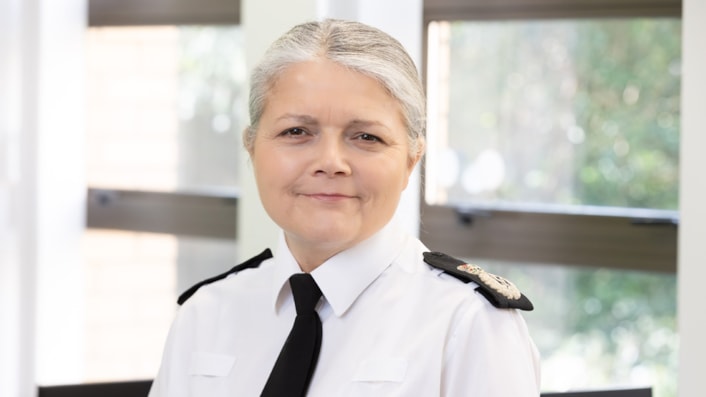
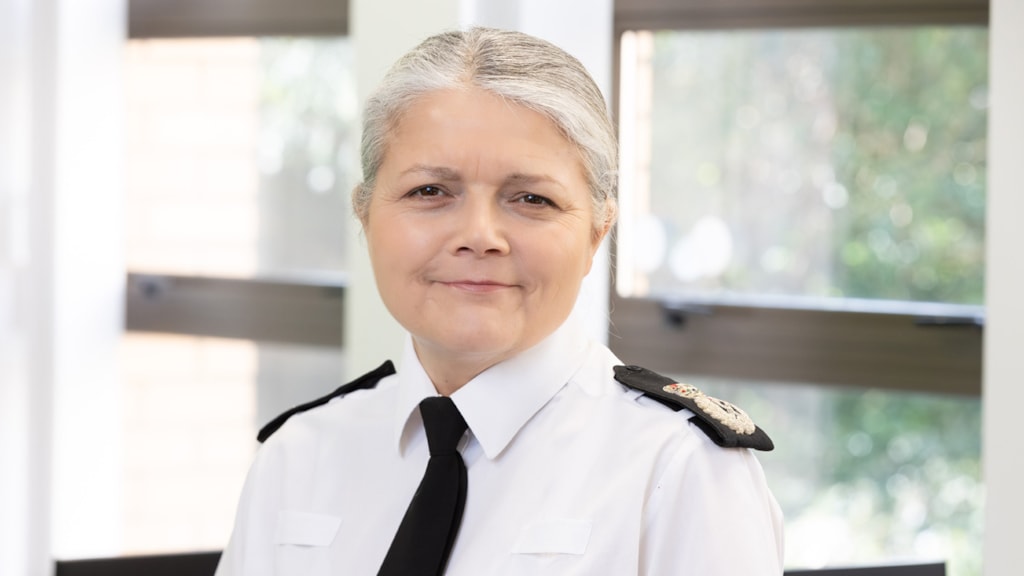
Chief Constable Sarah Crew, National Police Chiefs’ Council Lead for Adult Sexual Offences:
“The report draws on evidence gathered four to five years ago, during a period when the policing of rape and serious sexual offences was very different from where we are today. Importantly, this insight was only possible because police forces across the country opened their doors, their books and, frankly, their hearts to academic scrutiny. We did so deliberately, because we wanted to change, and because we were prepared to confront the full range of challenges that were preventing us from delivering justice for victims, including culture.
“Since that time, policing has undergone one of the most far-reaching reforms in this area in decades through the introduction and embedding of Operation Soteria. The findings therefore describe an historic baseline, not the current landscape, though we are clear there is still more to do.
“From 2022 onwards, every police force in England and Wales has implemented Operation Soteria and the national operating model for rape investigations. This has driven substantial improvements in investigative practice, supervision, victim engagement and suspect focused enquiries. Policing now operates with nationally consistent standards, trauma informed guidance and specialist capability that simply did not exist when this data was collected. Many of the issues highlighted were openly acknowledged in the Operation Soteria Bluestone Year 1 report in 2022.
“There has also been a significant uplift in capability nationwide. Thousands of investigators have completed specialist RASSO training, refreshed professional development and evidence-based investigative courses, resulting in more than a thousand specialist sexual offence investigators across the country.
“National performance data shows clear and sustained improvement from the 2021 baseline. Charge rates have increased, arrests for sexual offences are significantly higher, and recorded adult rape offences have risen, reflecting both improved investigative focus and increased confidence in reporting.
“While the challenges of the early 2020s are well documented, it is important they are understood in the context of the substantial progress made since. Policing remains focused on what still needs to improve, but the direction of travel is clear. The policing of rape in 2026 is changing, guided by a national operating model, and Operation Soteria has already delivered meaningful, measurable improvements for victims. We are committed to continuing that work.”
Contact information
Communications office
By phone: 0800 538 5058
By email: press.office@npcc.police.uk